
Now we're talking: AI agents left the pilot

What shipped on the floor
Between February and May, the Tier-1 industrials stopped piloting and started shipping.
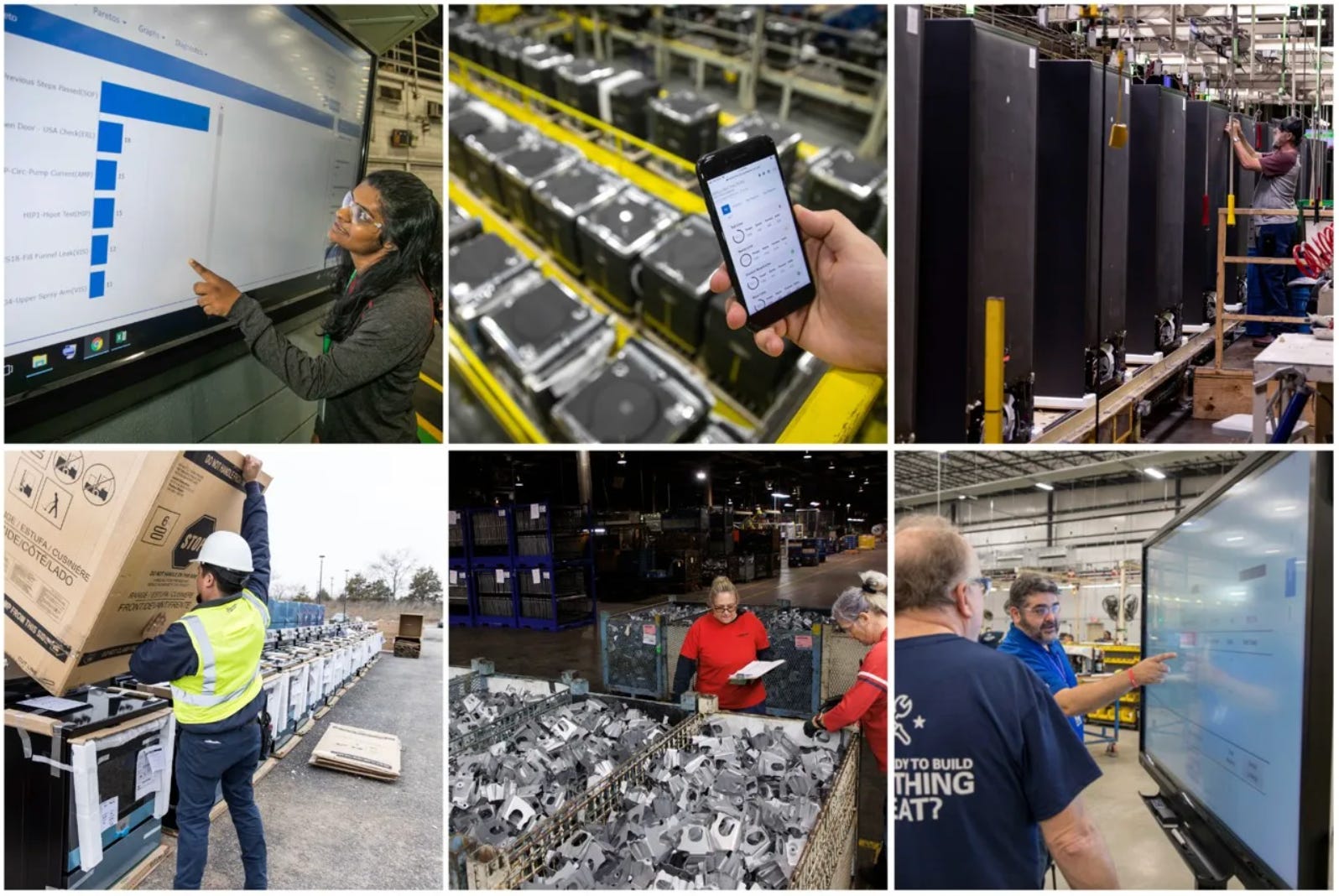
GE Appliances told Cloud Next ‘26 that it has more than 800 AI agents running across manufacturing, logistics and supply chain (Google Cloud, April 2026). “AI is now integral to the way work gets done at GE Appliances,” said Mandar Deo, Vice President of Digital Technology & Chief Digital Officer.
(c) North America Outlook
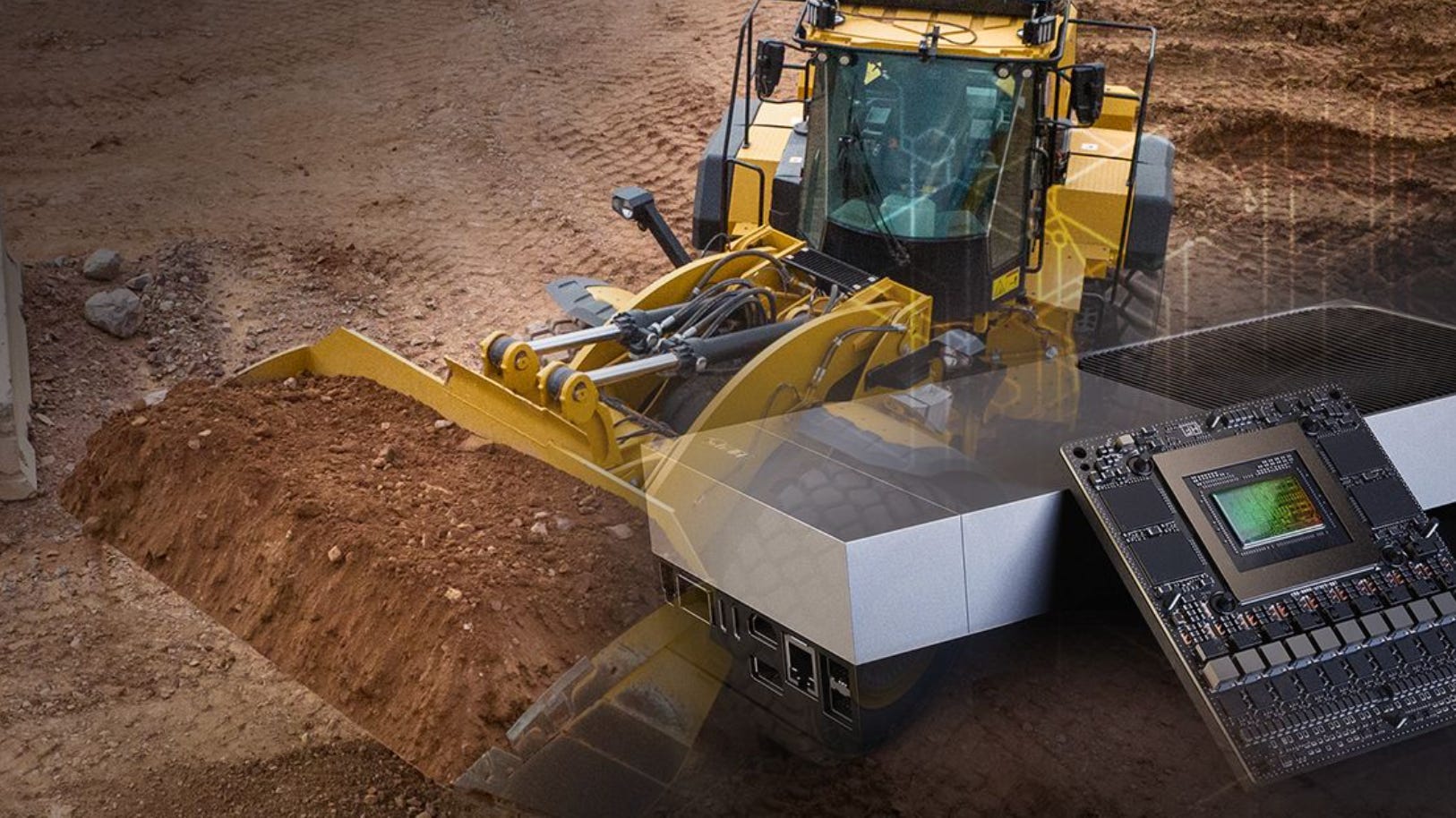
Tata Steel stood up 300 specialised agents in nine months. Their HR helpdesk now resolves more than 70% of routine tickets without a human, and customer complaint turnaround is down by half (IT Brief, April 2026). Caterpillar put NVIDIA Jetson Thor in the cab of construction machines so the assistant talks back to the operator. Siemens picked the Erlangen electronics factory as the first blueprint for fully AI-driven adaptive production. ANDRITZ is reporting up to a 30% cut in engineering drawing review time with a vendor most engineering directors haven’t heard of yet (IndustrialMind.ai, March 2026). Schneider’s industrial copilot, built with Azure, is reporting up to 50% time savings on control configuration (DataCenter News, April 2026).
Six headlines, one quarter. Not pilots. Production rollouts at companies that, between them, employ over half a million people.
(c) Caterpillar
What shipped in the office
The other half of the same six weeks happened inside Excel and Office solutions.
Anthropic released Claude Sonnet 4.6 in February. The Excel add-in now supports MCP connectors, which means the Claude panel in your spreadsheet can pull live data from S&P Global, LSEG, Daloopa, PitchBook, Moody’s and FactSet without leaving the workbook (Anthropic). The PowerPoint, Word and Excel add-ins are generally available on every paid plan; Outlook is in beta (Anthropic). On 5 May, Anthropic shipped ten ready-to-run agent templates for finance, including a Month-End Closer and a credit memo writer (Anthropic).
A week later, PwC announced it is rolling Claude out toward a global workforce of hundreds of thousands of professionals, with 30,000 receiving formal training, and standing up a Claude-native Office of the CFO business unit. Their stated number for delivery time reduction in client work is up to 70% (Anthropic, May 2026). The firm that audits half the FTSE is putting its own people on Claude before it sells you the engagement.

(c) Claude
Norway’s sovereign wealth fund told the Norwegian parliament in May that it had hit its target of more than 20% productivity gain across all 680 of its employees, achieved by giving everyone Claude rather than by cutting headcount (Norges Bank, May 2026). Early time-savings numbers from beta users in finance look striking even discounted by half: monthly close compressing from 40 team-hours to around 12, budget-versus-actuals dropping from three hours a week to thirty minutes.
The shop floor agent and the spreadsheet agent are the same idea, dressed in different clothes. One reads sensor data and the maintenance log. The other reads the variance file and last month’s commentary. Both produce work the human used to produce.
What the year actually looks like
By the end of 2026, the Tier-1s will have a year of agent-scale production data, named workflow patterns, internal platforms that frontline staff can extend, and a controller cohort whose performance reviews now include AI delegation. KPMG’s May survey of 306 executives found 36% saying promotion criteria are being redefined around AI literacy, and 39% saying AI collaboration competencies are now built into performance reviews (KPMG). That is not a future state. That is the appraisal letter going out in January.
The agents have left the pilot. They are in the cab, on the floor, on the right side of the spreadsheet. The interesting question is no longer whether they work. It is what the company looks like by Christmas.