
🤖 First AI minister is already in the government 🧠 Demis Hassabis: forget “one skill for life” 🎨 Designers vs AI editors - who’s going to win
AI Bear

September 28, 2025. Inside this week:
Albania puts AI in government
Google DeepMind CEO warns: no more ‘one skill for life’
Nano Banana and others make digital agencies less relevant
🤖 Albania puts AI in government
Essentials
All ministers look respectable in suits, but corruption often feels strongest right there. Bureaucracy is the same for everyone — slow, tangled, endless papers. What if you just cut the human out of this chain and put AI in instead? Albania decided to try.
Prime Minister Edi Rama introduced Dielle, a virtual minister built on AI. She was appointed to a real ministerial post — answering procurement questions, evaluating and awarding contracts to private companies.
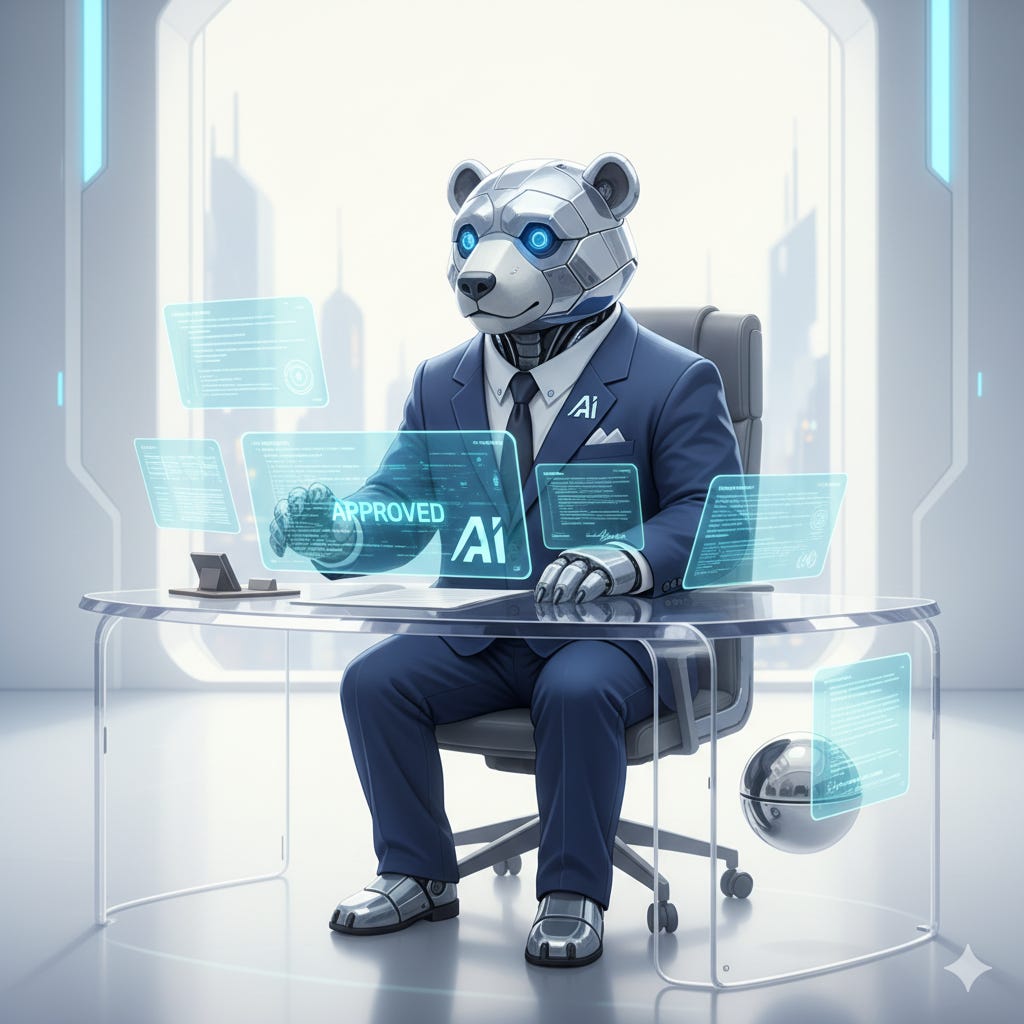
Dielle is already integrated into the government portal: she accepts applications by voice, closes routine processes, and doesn’t take bribes or bend under pressure. At least, that’s the claim. What’s not clear yet — who will oversee Dielle’s decisions, how errors will be caught, or how people will try to bypass the system.
Still, this is the first time worldwide an AI system has been officially given a government post. The sphere: procurement. Billions of euros move through it every year. Europe already has e-tenders, but always with a final human signature. Albania went further and made AI the actual center of decision-making.
Bear’s take 🐻
For business: companies need to prepare transparent bids and forget about “personal deals.”
For investors: a new govtech segment opens up — auditing and certifying AI that runs budgets.
For people: fewer lines, fewer manual mistakes, more speed and transparency in services.
Bear in mind ⚠️ who’s at risk
Middlemen and fixers — 9/10. This whole layer gets cut: AI shuts down corruption schemes faster than any prosecutor. What to do? Either find a new role or leave.
Countries with shady tender practices — 8/10. Albania showed tech replacement is possible. Pressure on others will grow. What to do? Prepare ground for AI rollout, or stay stuck in the past.
🧠 Demis Hassabis: forget “one skill for life”
Essentials
Athens. Demis Hassabis, CEO of DeepMind, comes on stage. His thesis is simple: in the AI era, the main skill of the future is learning how to learn again. Forget one-and-done education. No MBA, no Python mastery will save you if your brain can’t rewire itself for new tasks.
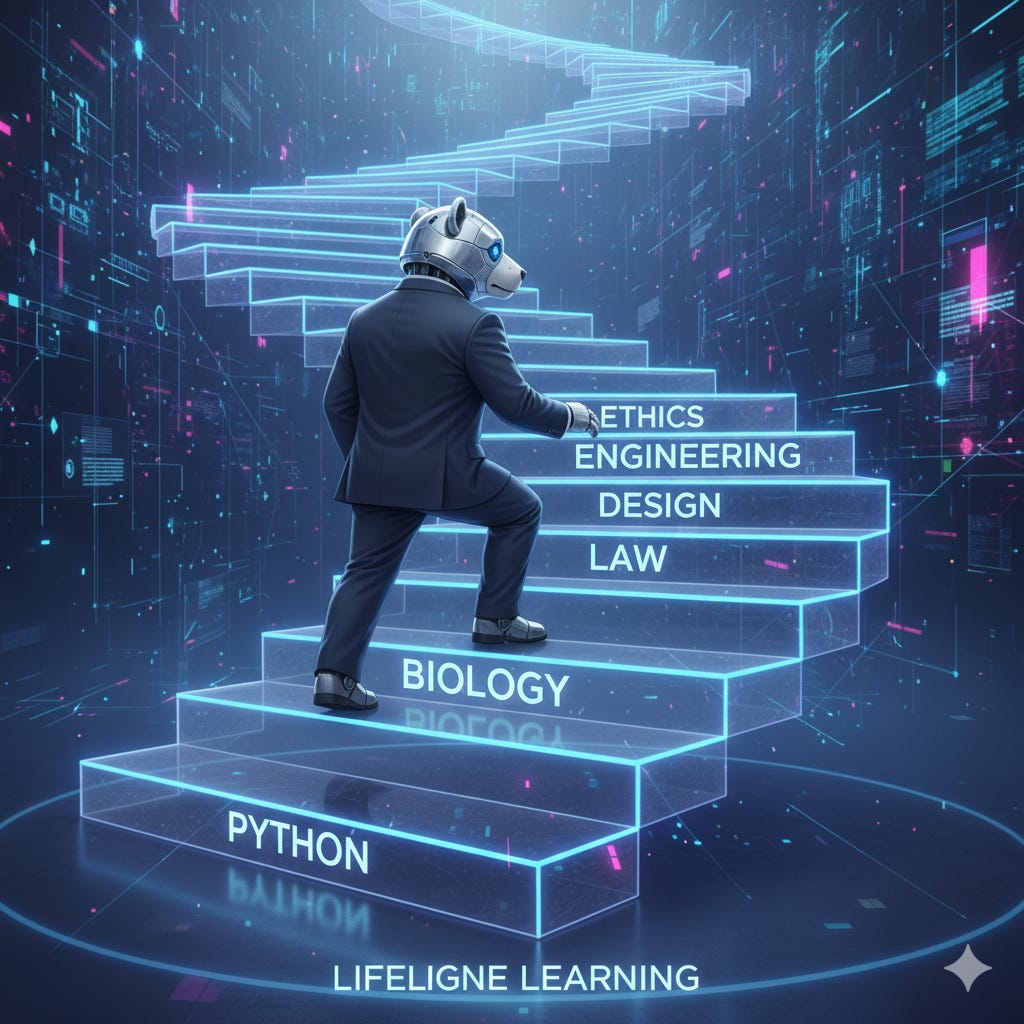
Hassabis argued: the speed of change is such that only uncertainty is certain. AGI (artificial general intelligence) — AI equal to humans across most tasks — may appear within a decade. That will bring radical abundance, but also kill the idea of knowledge as a stable anchor. What matters is not “subject” but “skillset-shifting”: how quickly you can enter a new domain, change approaches to learning, and repeat this all your life.
Context: the “learn once and work for 40 years” model is breaking. Already today, programmers must track new frameworks quarterly, doctors follow AI-driven diagnostics in oncology, and lawyers watch how AI rewrites regulation.
Bear’s take 🐻
For business: the issue isn’t people quitting — it’s companies stuck with outdated staff. Teams must learn to blend humans, AI agents, and robots as equals, not just tools.
For investors: the classic edtech market is doomed. Everything will go into self-learning via neural nets. Growth rates will resemble rocket launches. Look only at firms with AI-mindset products.
For people and humanity: professions as fixed bundles of skills are dead. Everyone needs a diversified portfolio — IT, agriculture, engineering, hands-on skills. Be useful in multiple worlds.
Bear in mind ⚠️ who’s at risk
Workers with “one skill only” — 9/10. The “learned once and worked until retirement” era is gone. What to do? Prepare to change professions every 5 years.
Education system — 8/10. Universities can’t retrain fast enough. What to do? Rebuild around lifelong learning or lose relevance.
🎨 Designers vs AI editors
Essentials
Designers know the eternal pain: “move the logo two pixels,” “make the background lighter,” “like Apple but not like that.” Hours gone, client still unhappy.
Reve rolled out an updated platform: everything closes in one place. Image generation, text tweaks, simple drag-and-drop — all merged in one free interface. “Layout as code” means changes are made clearly, without loss of source. Plus: chat for mixing and searching ideas online. For developers: open API (beta) to plug Reve into products and processes.
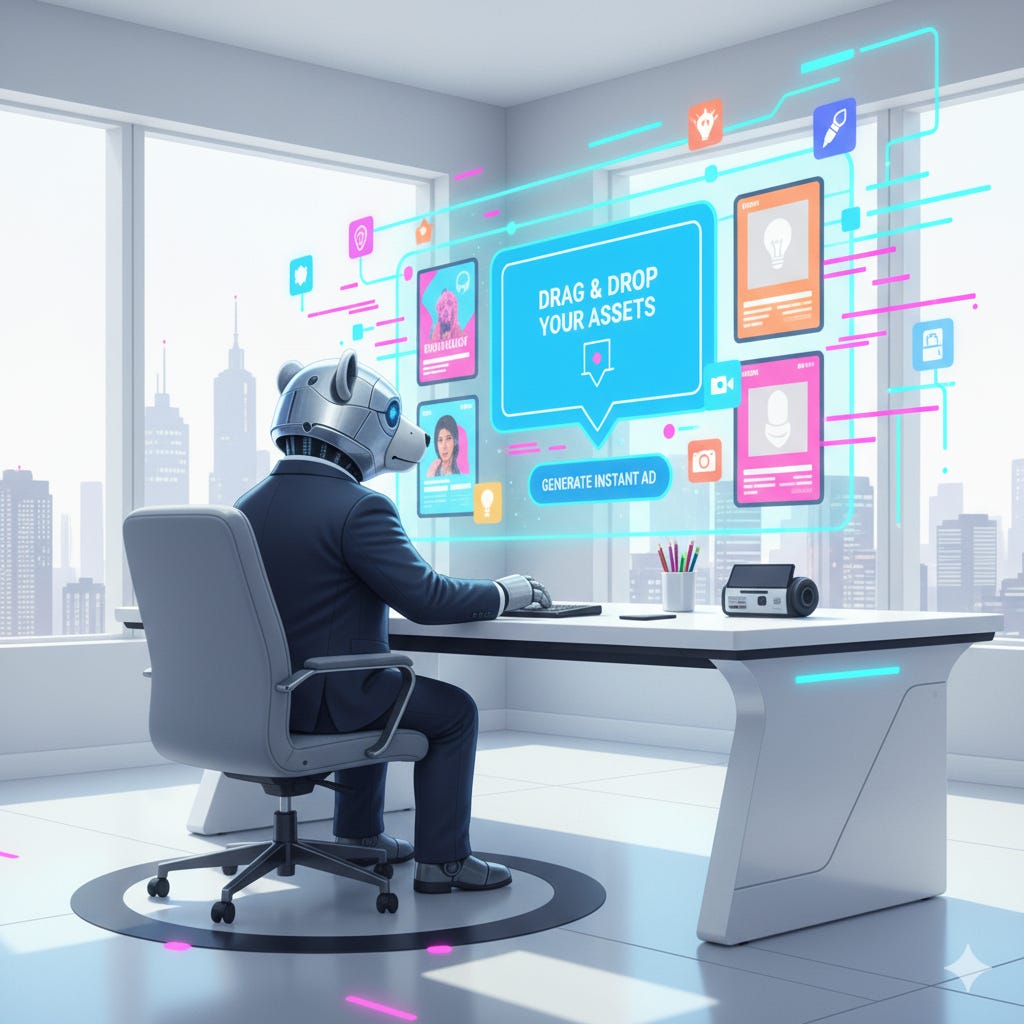
Context: last week Google dropped Nano Banana, then ByteDance released Seedream 4.0. Now — Reve. Pictures already look photoreal. The race is no longer “make it pretty” but who can ship the easiest editing. Goal: tools becoming part of standard office software, like Word or Excel, but for creativity.
Bear’s take 🐻
For business: ad departments can build creatives themselves without agencies. Approval loops shrink, budgets shift.
For investors: this moves the market. Graphic editors stop being niche design software, turning into mass tools for marketing. Winners will be those who plug APIs into CRM, ecommerce, office suites.
For people: no more need for “pure” designers for routine tasks. Like lift operators vanished, “press to generate and choose best” becomes a marketer’s base skill. Artists who use AI as style will remain, but everything else migrates to office work.
Bear in mind ⚠️ who’s at risk
Designer-executors — 9/10. The banner-fix, landing-page, “urgent visual” market gets wiped out. What to do? Move into concepting, art direction, or create with neural nets as style.