
🧬 $30K for healthy babies, ☢ fake celebrities in Sora 2, 💿 Napster 26 holograms, 🧭 OpenAI’s Atlas browser agent

October 30, 2025. Inside this week:
Nucleus Origin offers $30K “healthy embryos” with AI trait selection
OpenAI teams up with SAG-AFTRA to fight AI deepfakes
Napster 26 returns as a holographic assistant
OpenAI launches Atlas - a browser with memory and agents
Plus: xAI’s Grokipedia, Claude for scientists, DeepSeek OCR, and 7 more quick bites
🧬 Nucleus Origin - A Healthy Baby For $30,000
✍️ Essentials
The American startup Nucleus offers parents a “healthy embryo” for $30,000.
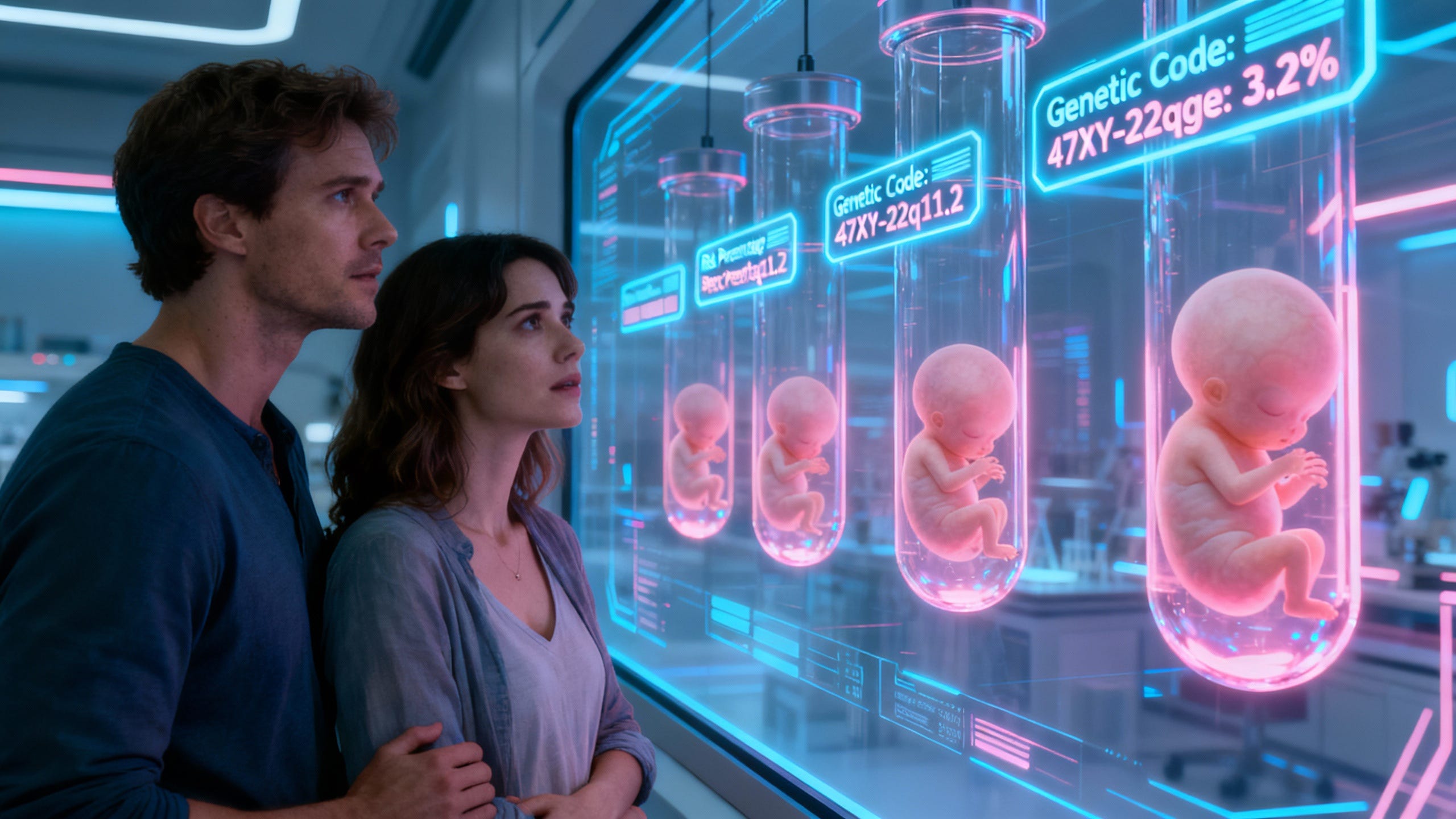
Their system analyzes embryos during IVF, evaluating potential health risks and predicting inherited traits such as intelligence, height, and life expectancy.
The platform uses polygenic scores trained on millions of genomic and medical datasets.
Nucleus calls the service Origin. The company runs its AI models on Amazon Bedrock and Palantir Foundry. Parents upload genome data from several fertilized embryos, and the system generates a ranking by predicted health and cognitive performance.
Context:
After the U.S. Supreme Court decision in Moyle v. Idaho, embryos gained new legal attention. The FDA still does not regulate such prediction models.
Clinics actively promote AI-based embryo selection as an optional add-on to IVF, and customers see it as “insurance” against hereditary disease.
However, critics call it “eugenics through subscription.”
Bioethicists warn that even small selection errors can have real consequences - for instance, choosing an embryo with a 15% lower predicted health score may mean nothing scientifically but can emotionally pressure parents.
Despite this, the market is growing - more than 300 U.S. clinics have already partnered with AI labs.
🐻 Bear’s Take
The combination of IVF and AI turns genetics into a product.
When “health” becomes a purchasable setting, regulation will follow quickly.
This is no longer about editing DNA - it is about designing probability.
🚨 Bear In Mind: Who’s At Risk
Fertility startups - 8/10 - The line between diagnostics and discrimination is thin. Prepare for lawsuits.
Clinics - 7/10 - Patients may sue for “false probabilities”. Keep audit logs of all reports.
AI-health companies - 6/10 - Expect federal oversight and labeling rules.
☢ OpenAI × SAG-AFTRA Tighten Sora 2 And Push “NO FAKES”
✍️ Essentials
After weeks of viral fake videos featuring actors, OpenAI announced new rules for Sora 2 together with SAG-AFTRA, the U.S. actors’ union, and several Hollywood agencies.
They jointly supported the NO FAKES Act, a federal law protecting likeness and voice rights.
The trigger was a deepfake video of Bryan Cranston (Breaking Bad) dancing with Michael Jackson - created in Sora without permission.
SAG-AFTRA’s president Sean Astin called it “a moment of truth for the industry”.
OpenAI admitted “unintended generations” and switched to a strict opt-in system.
From now on, using someone’s appearance or voice in Sora 2 requires explicit consent.
Context:
Until recently, Sora operated in a gray area - users could generate clips with real celebrities or brands, and no one stopped them.
Some studios quietly experimented with licensed likenesses, but lawsuits started piling up.
States like Tennessee have already passed the ELVIS Act, and the White House supports a federal framework under NO FAKES.
In practice, this means databases of approved voices and faces, plus watermarking and content provenance logs will become industry standards.
🐻 Bear’s Take
AI-generated media has crossed into legal territory.
Sora 2’s “opt-in only” approach could become the template for all creative AI tools.
Hollywood just made identity a licensable resource - a face becomes a trademark.
🚨 Bear In Mind: Who’s At Risk
Video platforms - 8/10 - Hosting unverified deepfakes will mean lawsuits. Start adding consent verification APIs.
AI video startups - 7/10 - Without audit trails and metadata, you will lose access to cloud services.
Brands - 6/10 - Fake celebrity ads can destroy trust overnight. Require digital rights clearance.
💿 Napster 26 - The $99 Holographic Assistant
✍️ Essentials
Napster is back - not as a music service, but as an AI-hardware company.
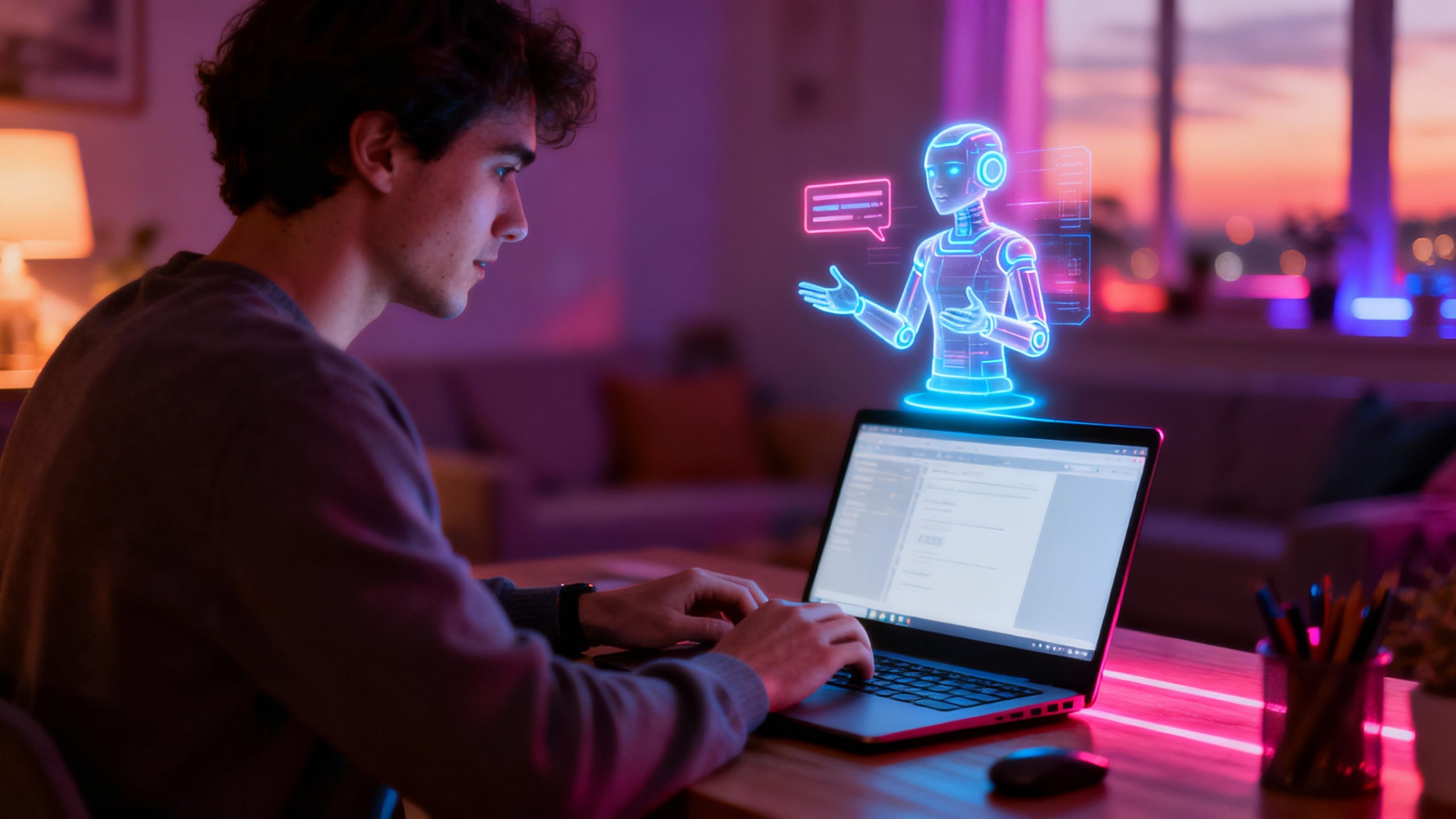
The reborn Napster 26 introduced View, a small holographic display that sits on top of a Mac and projects a 3D AI avatar - no glasses required.
The company, acquired by Infinite Reality for $207M earlier this year, now runs a marketplace with over 15,000 assistants - coaches, designers, sales advisors, and “digital twins” of real people.
Subscriptions start at $19 per month, hardware costs $99.
Use cases:
Sales teams - the avatar helps in calls, tracks reactions, and suggests next steps.
Support - guides users through troubleshooting in real time.
Film production - “shadow host” reads scripts and marks takes.
Development - summarizes meetings and commits tasks.
Education - role-playing instructors and virtual tutors.
Context:
Napster targets Mac M1+ users (≈100M devices). Even 1% adoption equals $100M in sales.
The company avoids wearables and focuses on visibility and accessibility - “no pins, no glasses, no friction”.
Competitors include Meta (AI glasses), xAI (companions), and Humane.
If Napster keeps latency under 300 ms and engagement above 30%, it might survive where others failed.
🐻 Bear’s Take
A cheap, visible, low-friction assistant makes more sense than a wearable.
Napster could open a mid-tier market between “toy AI pins” and enterprise robots.
🚨 Bear In Mind: Who’s At Risk
AI gadget startups - 6/10 - The $99 price point breaks your margin. Pivot to B2B.
Entry-level sales and support roles - 6/10 - The avatar handles repetition. Move to analytics or client strategy.
🧭 OpenAI Atlas - The Browser With Memory And Agency
✍️ Essentials
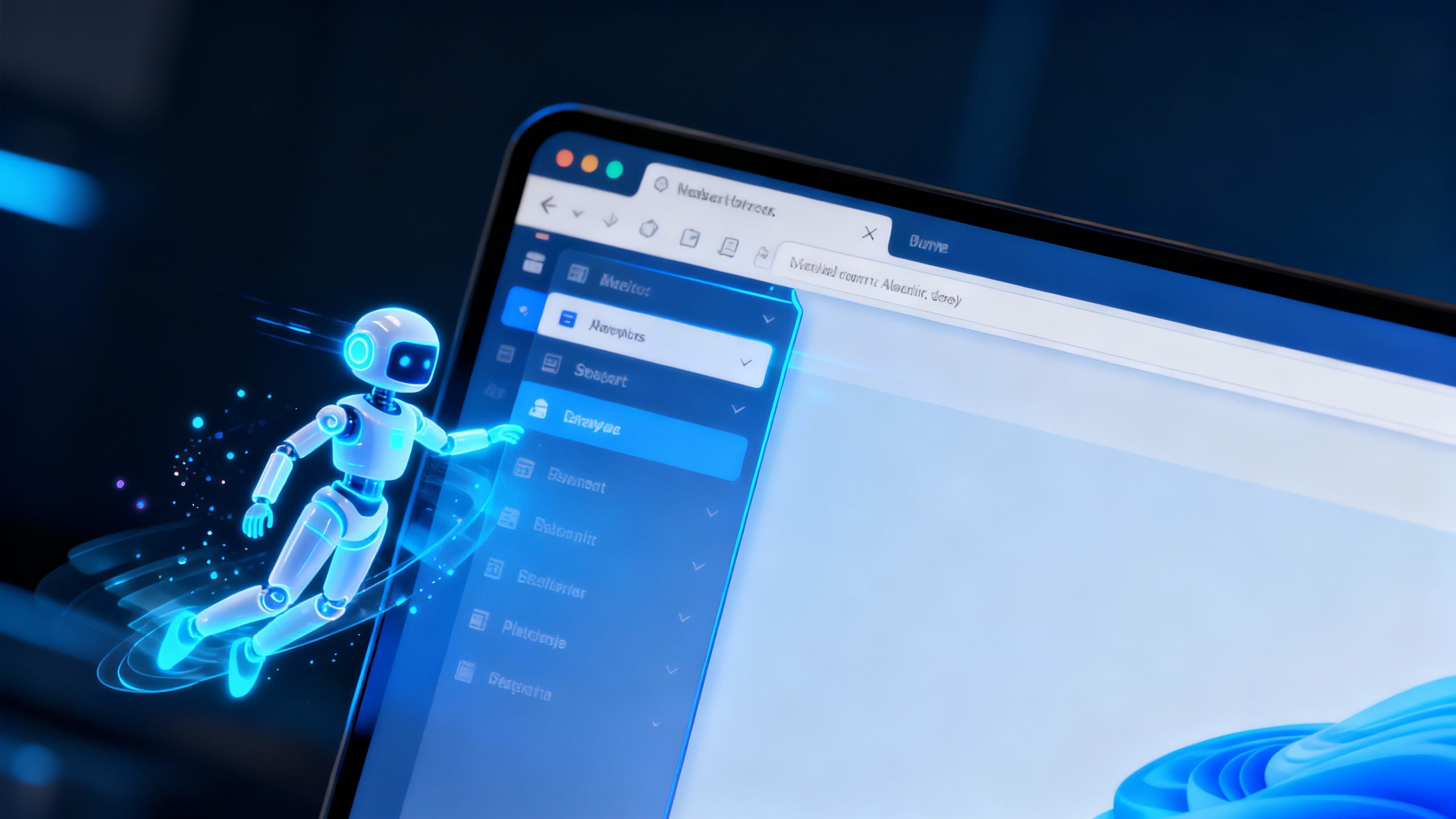
OpenAI launched Atlas, an AI-powered browser that embeds ChatGPT directly into the sidebar.
The browser can remember sites, summarize content, and act autonomously - clicking, scrolling, and filling forms if the user allows.
For example, you can say: “Find a hotel for this weekend with free cancellation”, and Atlas will navigate, read terms, and fill in the booking form.
Features: search, summarization, personalization, autofill, and “memory mode”, which stores context across sessions.
Agent Mode (for Plus/Pro users) can execute actions but is restricted from downloads or sensitive forms.
Context:
Atlas is available for macOS and coming soon to Windows and mobile.
First-week reviews were mixed:
The Verge: “Feels like Google with extra steps - but better results”.
Wired: “Memory is the real upgrade - reduces repetition”.
TechCrunch: “Signals a shift from chatbots to full web agents”.
Competitors include Microsoft Edge (Copilot), Chrome (Gemini), Browser Company (Dia), and Perplexity (Comet).
Atlas moves the competition from “faster tabs” to “smarter navigation”.
🐻 Bear’s Take
Atlas is not just a browser - it is a test for autonomous web navigation.
The next generation of users will not search, they will delegate.
The question is not if agents will browse for us - it is who we will trust to let them click.
🚨 Bear In Mind: Who’s At Risk
Corporate IT teams - 8/10 - Agent browsing means new phishing risks. Enforce session logs and SSO control.
AI browser startups - 7/10 - Atlas redefines the category. Focus on niche workflows or privacy-first use cases.
Quick Bites
AI brain rot - Texas A&M and UT Austin found that models trained on clickbait produce “confident nonsense”. Expect stricter dataset audits.
xAI Grokipedia - Elon Musk launches his AI encyclopedia with in-chat wiki answers. Fast, but lacks citations.
DeepSeek OCR - Compresses documents ×10 with 97% info retention. Long PDFs finally digestible.
Claude for Life Sciences - Anthropic’s new toolkit integrates with lab software for faster research summaries.
Runway fine-tuning - Brands can now fix their own visual style in AI-generated videos.
Krea real-time video - Generates AI clips “in stream”, making fake content harder to trace.
Google AI Studio Vibe Code - From prompt to working web app in minutes.
OpenEvidence raises $200M at $6B - “ChatGPT for doctors” scales second-opinion AI globally.
Wikipedia traffic −8% - Users prefer AI snippets over full articles.
Lovable × Shopify - AI now builds entire stores from a single prompt